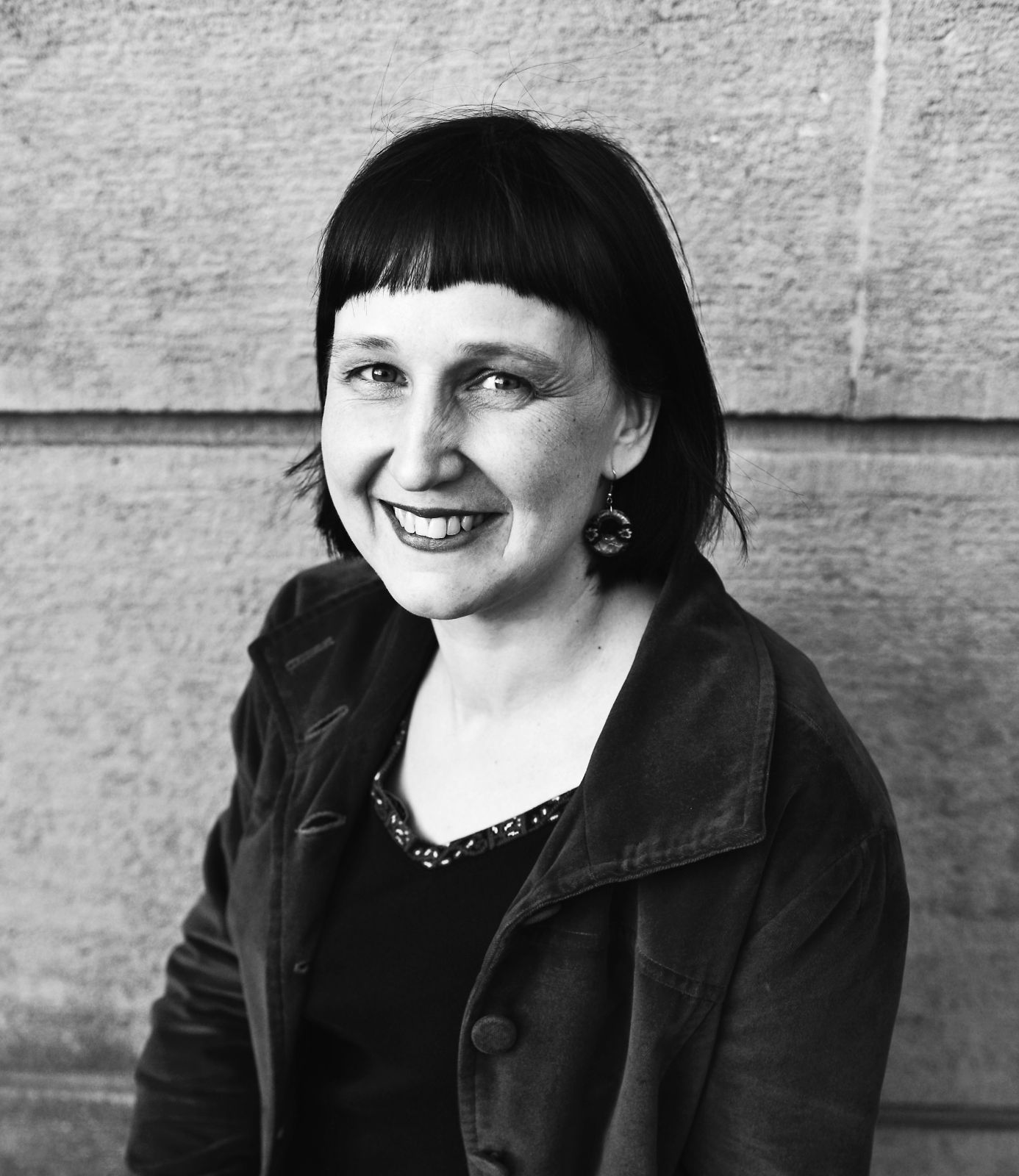

Starting in March, the team of the Oriental Institute of the Czech Academy of Sciences will be joined by Mgr. Michaela Pejčochová, Ph.D., who will take over the coordination of our Taiwan branch. On this occasion, we asked her to tell us more about her professional background and her plans related to this new position.
Could you briefly introduce your professional journey?
I studied Sinology at the Faculty of Arts, Charles University in Prague, where I obtained my Ph.D. in 2011. Already during my studies, I focused intensively on the history of Chinese art, which naturally shaped my subsequent professional career.
You worked at the National Gallery for many years. What was your focus there?
I worked there as the curator of the Chinese collections. For example, I researched the world famous collection of modern Chinese ink paintings, which I presented to the public at an exhibition in the Waldstein Riding School in 2008, as well as in the publication Masters of 20th-Century Chinese Ink Painting from the Collections of the National Gallery in Prague. At the same time, I conducted research on other types of collections, including early Chinese painting, porcelain, Buddhist art, and other objects as well.
What have been your main research interests over the years?
Besides Chinese art itself, I focus on the history of collecting Asian art in the West. I have explored this topic, for example, in a monograph on the collector Vojtěch Chytil. In recent years, I have been trying to map in detail how former private collections of Asian art in First Republic Czechoslovakia were transformed into institutional collections.
You also published a book on this topic, didn’t you?
Yes, in 2021 I published the book A Hundred Years of a Single Tree: Lubor Hájek and Institutional Collecting of Asian Art in Czechoslovakia. In it, I aimed to capture the broader context of the emergence and development of public collections of Asian art in our country, which ultimately led to the establishment of the Asian art collection at the National Gallery. I continue to pursue this research—there is still so much to discover.
Have you spent time teaching students as well?
Yes, I have taught externally at the Departments of Sinology and Art History at Charles University, where students could attend my courses on History of Chinese Art or the seminar Reading Chinese Texts on Art. Teaching has been a very valuable experience for me and naturally intertwined with my research. At the same time, I have long collaborated with colleagues abroad, particularly in Germany, France, Taiwan, and the People’s Republic of China—international dialogue is crucial in our field.
What are your plans for your work at the Taiwan Branch?
My main task will be to deepen contacts with Taiwanese experts and collaborate on Oriental Institute’s projects in Taipei. I am looking forward to working at Academia Sinica, which offers unique resources and opportunities that researchers of Chinese culture in the West can rarely access.